

Have you ever been curious about your Body Mass Index (BMI)? It's a commonly used method for determining if you have a healthy weight in relation to your height. But what exactly does BMI mean, how do you calculate it, and what does it actually say about your health? Let's dive into the world of BMI calculations and discover what it can mean for you.
Calculate BMI: Calculator
Calculate BMI, what is it?
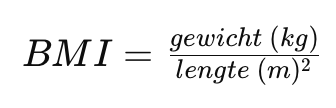
BMI stands for Body Mass Index. It is a measurement used to assess whether someone's weight is healthy in proportion to their height. It is a simple formula that divides your weight by the square of your height in metres (kg/m²).
The formula for calculating BMI is:
How to calculate BMI
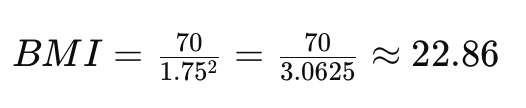
Calculating your BMI is relatively simple. You start by measuring your weight in kilograms and your height in metres. You then use the formula above to calculate your BMI. For example, if you weigh 70 kilograms and are 1.75 metres tall, your BMI is:
Calculating BMI, what does it mean?
Now that you've calculated your BMI, what does this number actually mean? Generally, BMI values are divided into different categories to give an idea of where someone's weight stands in relation to their height:
- UnderweightBMI under 18.5
- Normal weightBMI between 18.5 and 24.9
- OverweightBMI between 25 and 29.9
- ObesityBMI 30 or higher
However, it is important to note that BMI is a rough estimate and does not always provide an accurate reflection of someone's health status. People with a lot of muscle mass, for example athletes, may have a higher BMI without being overweight.
Calculating BMI: The limitations.
Although BMI is a useful tool for gaining a general idea of someone's weight in relation to their height, it has its limitations. Here are some factors to consider:
- Muscle mass versus fat massBMI does not take into account the difference between muscle mass and fat mass. People with a lot of muscle mass can have a higher BMI, even if they have a low body fat percentage.
- Body buildBMI does not take into account a person's physique. People with a large bone structure may have a higher BMI without being overweight, while people with a small bone structure may have a normal BMI but still be overweight.
- Age and genderBMI standards differ for different age groups and sexes. What is considered a healthy BMI for an adult may be different for a child or an older adult.
- Health risksBMI does not provide insight into the distribution of fat in the body, which is an important factor in assessing health risks. Abdominal fat, for example, can carry a higher risk of health problems than fat on other parts of the body.
Other methods of measuring health
Although BMI is a useful first step in assessing whether you are a healthy weight, there are other methods that can give a more accurate picture of your overall health. Some alternative methods include:
- Size rangeMeasuring your waist size can be an indicator of the amount of abdominal fat you have, which is a risk factor for certain health problems such as heart disease and diabetes.
- Body fat percentageUsing methods such as skinfold measurements or bioelectrical impedance analysis (BIA), you can measure your body fat percentage, which can provide a more accurate picture of your health than BMI.
- Health monitoringRegular checks of blood pressure, cholesterol levels, and blood sugar can be important indicators of your overall health, regardless of your weight.
Conclusion
Although BMI is a useful tool for getting a general idea of your weight in relation to your height, it has its limitations and should be considered as only one aspect of your overall health. It's important to take other factors like muscle mass, build, and health risks into consideration when assessing your health. Always consult a healthcare professional for a full evaluation of your health status. Feel free to get in touch. Michael Sels or Eveline Stoelen, our nutritionists Inside Mediport Medical Centre Cadix.